

You are halfway through a shed wall, the nails start folding over, your forearm is barking, and the compressor sounds like it is trying to leave the garage. A framing nailer should make lumber feel manageable. The wrong one makes you question every life choice that led to Saturday morning.
The best framing nailer is not always the biggest beast on the shelf. I care about what keeps sinking nails cleanly after lunch, what behaves on ladders, and what makes sense for the money. That is where the pneumatic crowd, like the Bostitch F21PL, and cordless options, like the Metabo HPT NR1890DRA, start to separate themselves.
I have used enough nailers to know the spec sheet only tells half the story. Some feel great for ten nails and miserable by fifty. Stick with me and we will sort the bargain workhorses from the fancy bruisers.
Best Framing Nailers in 2026
| Image | Model | |
|---|---|---|
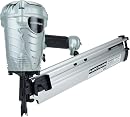 | Best Overall Pneumatic Metabo HPT NR90AES1Editor's Choice  Check Price | Check Price |
 | Best 2-in-1 Versatility Bostitch F21PLCheck Price | Check Price |
 | Best Cordless Overall Milwaukee 2745Check Price | Check Price |
 | Best for Instant Response Metabo HPT NR1890DRACheck Price | Check Price |
 | Best for DeWalt Users DeWalt DCN920BCheck Price | Check Price |
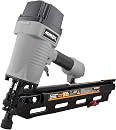 | Best Budget Value NuMax SFR2190Check Price | Check Price |
- The best pick is the one that matches the awkward part of the job, not the easiest wall on the ground.
- For mixed framing and connector work, the Bostitch F21PL saves me from hauling a second gun for hardware.
- A smooth magazine and predictable nose matter more to me than a flashy feature list, because most bad shots start before the trigger moves.
- If the nailer will sit between big projects, I would rather buy simple and serviceable than pay for capacity I will not use.
- When setup time is the real enemy, cordless convenience can beat shop power, as long as I account for battery weight before climbing.
1. Metabo HPT NR90AES1

Picture a Saturday shed build where the wall plates are laid out, the compressor is humming, and the rafters are waiting. This is the kind of job where a framing nailer either becomes your favorite tool by lunch or your shoulder starts filing complaints. The Metabo HPT NR90AES1 lands on the good side of that line because it keeps the weight down to 7.5 pounds without giving up the punch needed for framing lumber, roof decking, subfloor, and sheathing.
The weight is the big story for me. A lot of pneumatic framing nailers feel fine for ten minutes, then get old fast once you are reaching overhead or working across a roof deck. This one stays manageable during longer sessions, and that matters more than most spec sheets admit. It drives 2 inch to 3 1/2 inch plastic collated nails, so it covers normal residential framing work without feeling like a boat anchor at the end of your arm.
I also like the controls for real job site pacing. The firing mode switch lets me move from careful placement to faster production nailing without fussing around, and the depth adjustment makes sense when bouncing between framing lumber and sheet goods. If I am laying roof decking, I want nails set cleanly without stopping every few minutes to chase inconsistent depth. Based on the track record here, this is one of the safer bets for avoiding jams and misfires during a long run of nails.
Compared with the Bostitch F21PL, the Metabo is the lighter, simpler pick for standard framing. The Bostitch earns its keep if you want one tool that can also handle metal connector work with a nose change, but it weighs more at 8.1 pounds and brings extra versatility you may not need for walls, floors, and decking. For plain framing, I would rather carry less weight and keep the rhythm steady.
My gripe is the missing practical hardware. A proper rafter hook should be in the box on a framing nailer, especially for roof work. The nose cap situation is another small annoyance. Still, for all day framing where fatigue and reliability matter, this is my first pick. If joist hangers are on your punch list too, the next nailer brings a useful trick this Metabo does not.
Pros:
- Light 7.5 pound body
- Strong framing nail drive
- Reliable nail cycling
- Easy depth control
Cons:
- No included rafter hook
- Nose cap sold separately
2. Bostitch F21PL

The trick with the Bostitch F21PL is simple: one body handles regular framing, then the front end swaps over for metal connector work. For a deck, pergola, shed floor, or patio cover where I’m shooting studs and blocking one minute and fastening joist hangers or hurricane ties the next, that matters. I’d rather not drag out a second nailer if I can avoid it.
As a framing nailer, it has plenty of punch. The 8.1 pound magnesium body keeps it manageable, and the rated 1050 inch pounds gives it the muscle for common framing jobs from sheathing to subflooring to 3 1/2 inch nails. The push button depth control is handy when moving from soft framing lumber to denser stock, though I’d mark my favorite settings with a paint pen because the adjustment positions are not numbered. That little shop trick saves head scratching later.
The metal connector setup is the reason I’d choose this over the simpler Metabo HPT NR90AES1. The Metabo is lighter at 7.5 pounds and I like it for straightforward framing where I just want a clean, no fuss air nailer. But it does not cover hanger nails. If your project has a pile of Simpson style brackets waiting on the sawhorses, the Bostitch earns its extra weight. The rafter hook also helps when you’re up on joists and need both hands free for a second.
There are a couple of quirks. Plastic strip debris is part of the deal, and sparks can show up while firing, so glasses are not optional. I’d also order the connector nails before the weekend starts, since those sizes are not always sitting on a shelf at the local store. Don’t top off the magazine too early either, since loading a fresh strip before the old one is done can invite jams.
My take: if your framing project includes metal hardware, this is the smart mid range pneumatic pick. Just remember, like the Metabo, it still wants an air setup on site.
Pros:
- Framing and connector use
- Strong driving power
- Useful rafter hook
Cons:
- Connector nails harder to find
3. Milwaukee 2745

If I am framing a shed at the back of a property, fixing fence sections away from the truck, or working on roof sheathing where an air hose keeps snagging on everything except common sense, this Milwaukee 2745 makes a lot of sense. It cuts out the compressor, hose, and generator mess, which is exactly why I like it for mobile framing work. Grab the nailer, grab a charged pack, and get moving.
The battery setup is the biggest reason I would trust this as more than a convenience tool. With a 5Ah battery, it has enough run time for most of a normal framing day, at least for typical stop and start work. That matters. A cordless framing nailer that quits early is just a heavy hammer with a personality problem. For fencing, punch list framing, blocking, roof repairs, and outbuilding work, this one has the stamina to replace a pneumatic rig most of the time.
Driving strength also sounds right for real framing use. It supports both single shot and bump fire, so I would use single shot for layout critical spots and switch to bump fire when running sheathing or long rows of studs. The depth adjustment is tool free, which is handy when bouncing between framing lumber and sheet goods. I would still test on scrap first, because sinking nails cleanly depends on the wood, nail, and how hard you are leaning into the tool.
Now for the part your forearm will notice. Around 12 pounds with the battery, this is not a featherweight. Compared with the Metabo HPT NR1890DRA at 8.4 pounds, the Milwaukee feels like the beefier carry. Overhead roof work and one handed fencing repairs will get old faster. Compared with the DeWalt DCN920B, though, Milwaukee looks stronger on jam resistance, since the DeWalt data points to frequent feeding trouble, especially in pine and near the end of a strip.
The magazine capacity is also a little stingy for production speed, since the standard setup takes one strip and refill timing is limited. For hot weather rapid firing, I would pace it rather than try to run it like a shop air nailer. Still, for remote work where dragging air gear is the annoying part of the day, I think this is the cordless nailer I would trust first.
Pros:
- Strong cordless framing power
- 5Ah battery lasts well
- Low jam tendency
- Single shot and bump fire
Cons:
- Heavy with battery installed
- Limited standard magazine
4. Metabo HPT NR1890DRA

The first thing I notice with the Metabo HPT NR1890DRA is the shot response. Pull the trigger and it fires right now. No waiting for a motor to spin up, no little pause that makes you adjust your rhythm. The air spring setup is the reason, and for framing walls or bumping nails through plates, that matters more than most spec sheet bragging.
Compared with the Milwaukee 2745, this Metabo feels closer to an air nailer in timing. Milwaukee brings a strong cordless package and solid battery life for typical framing, but it is a heavier tool at about 12 pounds with the battery. The Metabo starts at 8.4 pounds without the battery, so it has the edge when I am moving around a framed opening, toe nailing studs, or holding the gun up longer than my shoulder appreciates. Tiny mercy, big difference by lunch.
Power looks right for serious work too, with 120 joules behind the drive and capacity for three and a half inch nails. I like the wrench free depth adjustment for switching from studs to engineered lumber, and the bump or sequential choice makes sense on a framing nailer. The 4.0Ah battery rating of up to 500 nails is fine for punch lists, decks, sheds, and medium framing, but I would not plan on sheathing a full house on one battery and a prayer.
My hesitation is quality control. Some units have shown up bad, and one reported failure after about an hour is hard to ignore on a premium tool. The lifetime tool body warranty helps, and it is a real selling point for pros who keep tools for years. I would buy this for cordless speed with near air gun feel, but I would test it hard right away. DeWalt takes a different swing at cordless framing, aimed more at another kind of buyer.
Pros:
- Instant firing response
- Strong framing power
- Lighter cordless build
Cons:
- Some QC concerns
5. DeWalt DCN920B

I would not buy the DeWalt DCN920B expecting a cordless framing beast that replaces a pneumatic gun on a full build. I see it more as a convenience tool for homeowners already sitting on DeWalt 20V batteries and needing to frame a closet wall, repair a shed, add blocking, or knock out a small weekend project without dragging out the compressor. If the drill is still missing from that platform, I sorted the options in my DEWALT drill roundup.
The good part is simple. No hose. No compressor setup. Grab the nailer, pop in a battery, and get moving. For scattered framing cuts and punch list work, that saves real time. The 21 degree format also fits common framing nail use, so it makes sense for basic structural chores around the house.
My hesitation is reliability. The data points to jamming, especially in pine and when the magazine is running low, and that is exactly the kind of annoyance that turns a quick job into tool tinkering. The magazine capacity also sounds a little stingy, and there is a durability concern with the nose on at least one unit. Compared with the Milwaukee 2745, DeWalt feels less proven for serious cordless framing.
I would keep this one in the occasional use lane. Handy, yes. Jobsite workhorse, no. If the budget is tighter and a compressor is already in the garage, the next pick deserves a close look.
Pros:
- No hose setup
- Good for small framing
Cons:
- Jam concerns
- Not for heavy framing
6. NuMax SFR2190

The NuMax SFR2190 is the nailer that made me double check the price bracket. For a budget pneumatic framing nailer, it lands nails with the kind of confidence I would expect from a tool bought for more frequent work. If I were framing a basement wall, building a fence, or laying down subfloor once in a while, this is the sort of tool I would rather own than rent twice.
It takes 21 degree plastic collated full round head nails from 2 inches to 3 1/2 inches, which covers normal framing chores around the house. I like that it gives me both single shot control and bump firing, because those are two different moods on a job. Lining up studs calls for patience. Nailing off sheathing is when speed starts to matter. The depth wheel can be adjusted by hand, and the anti dry fire setup helps protect the tool when the magazine runs low.
Compared with the Metabo HPT NR90AES1, this is not as polished. The Metabo has the edge for long term reliability and jobsite confidence, no question. But the NuMax gets surprisingly close for occasional use at around one third the cost, and that matters if the tool will spend more time on a garage shelf than in a framing crew trailer.
The tradeoffs are real. Plastic collated nails can feed unevenly in some conditions, especially heat or picky nail brands. The depth adjuster is not the most intuitive, and jam clearing is more old school than I prefer. No belt hook either, which I miss every time I climb a ladder.
For weekend framing, fence work, decking repairs, or as a backup pneumatic nailer, I think this one earns its keep. Sometimes the smart buy is not the fanciest tool. It is the one that shows up, fires straight, and leaves enough money for lumber.
Pros:
- Excellent budget performance
- Dual firing modes
- Anti dry fire protection
Cons:
- Occasional nail feed issues
- No quick jam clearing
How to Choose the Right Framing Nailer for Your Projects
Pneumatic vs. Cordless
Pneumatic framing nailers still make the most sense for a lot of garage and weekend work. They are usually lighter, simpler, and easier on the wallet, but you need a compressor, hose, fittings, and a place to plug in. If I am framing a basement wall, building a shed near the house, or working in one spot all afternoon, I do not mind dragging an air hose around.
Cordless framing nailers cut the leash. No compressor. No hose snagging on ladders. No waiting to borrow shop air. Models like the Milwaukee 2745 and Metabo HPT NR1890DRA are built for that kind of freedom, especially on fences, decks, punch list work, and remote jobs. The tradeoff is weight, battery management, and a higher tool cost.
If you mostly work near an outlet, buy pneumatic first. If you move around the property or work off grid, cordless earns its keep fast. The Metabo HPT NR90AES1 is the kind of pneumatic nailer I like for long sessions because it keeps the tool light. A cordless nailer saves setup time, but after a few hours overhead, every extra pound starts telling the truth.
Weight and Ergonomics
Framing nailers commonly land somewhere between 7.5 and 12 lb before nails, batteries, or hoses enter the picture. That number looks harmless on a spec sheet. Then you hold the tool above shoulder height while sheathing a gable end and suddenly become very interested in physics.
Weight matters most during overhead work, ladder work, and any job where you are placing studs with one hand and shooting nails with the other. A lighter nailer like the Metabo HPT NR90AES1, at about 7.5 lb, gives you more control at the end of the day. Heavier cordless tools can still be worth it, but I want a balanced handle, a comfortable grip, and a nose that lands where I point it.
I also check the rafter hook, trigger feel, magazine angle, and how easy the depth wheel is to reach with gloves on. Ergonomics are not fancy. They are the difference between steady nails and a tool that makes you mutter at lumber.
Firing Modes
Most framing nailers offer sequential fire, bump fire, or both. Sequential fire makes you press the nose first, then pull the trigger for each nail. It is the safer mode for layout work, blocking, corners, and anywhere your hand may be close to the shot.
Bump fire lets you hold the trigger and tap the nose to fire quickly. It speeds up sheathing, long wall plates, and repetitive nailing once your layout is set. I like having both modes because framing is not one single task. Some shots need care. Some need rhythm.
For DIY work, start in sequential mode until your placement is consistent. Bump fire is fast, but it is not forgiving. The switch between modes should be obvious and firm. If it takes loose parts or a tiny wrench, I know I will avoid changing it, and that defeats the point.
Nail Compatibility and Collation
This is where many buyers get tripped up. Framing nailers are usually built around 21°, 28°, or 30° to 34° nails. Those angles are not interchangeable. A 21° nailer will not happily eat 30° paper strip nails just because you asked nicely.
Head style and collation matter too. Some nailers shoot full round head nails. Others use clipped head or offset round head nails. Some areas require full round head nails for framing, so I always check local code before buying the tool or a case of nails.
- 21° nails usually use plastic collation and full round heads
- 28° nails often use wire collation and may use clipped heads
- 30° to 34° nails commonly use paper collation and fit tighter magazines
Match the nailer to the nails your local lumberyard stocks and your building department allows. Plastic collation can leave sharp bits behind. Paper collation is cleaner, but it dislikes damp storage. Wire collation holds together well, but the nailer must be designed for it.
Depth Adjustment
Depth adjustment controls how far the nail sinks. Too proud, and your sheathing does not sit flat. Too deep, and you weaken the connection or blow through soft lumber. Framing lumber, LVL, pressure treated boards, and engineered panels all behave a little differently.
For DIYers, tool free depth adjustment is close to essential. You may frame with standard studs in the morning, fasten subfloor after lunch, then attach treated blocking before dinner. I do not want to hunt for an Allen key every time the material changes.
Marked settings are better than a plain wheel with no reference. They let you return to yesterday’s setting without guessing. I still test fire into scrap before starting the real work, because wood wins arguments against assumptions.
Jam Clearing
Every framing nailer jams sooner or later. It can be a bad nail strip, dirty magazine, weak air pressure, cold battery, or a knot that refuses to cooperate. The question is not whether jams happen. The question is how much of your afternoon they steal.
Tool free jam clearing saves time because you can open the nose, remove the bent nail, reload, and get back to work. If a jam requires wrenches and patience, it is more likely to happen at the top of a ladder. Tools have a sense of humor.
Before buying, look at the nose and magazine design. If you cannot understand the jam clearing process in 30 seconds, keep shopping. Also check whether the magazine slides smoothly and locks without slop. Poor feeding causes more trouble than most people expect.
Warranty and Long Term Value
Framing nailer warranties commonly range from 1 year to lifetime coverage on the tool body. Read the fine print. Many warranties cover defects in materials and workmanship, but normal wear parts, seals, driver blades, abuse, and poor maintenance may fall outside coverage.
A longer warranty does not guarantee the tool will survive a fall from a roof, but it does tell me the manufacturer has some confidence in the design. Metabo HPT stands out here, with strong warranty support on the NR90AES1 and lifetime tool body coverage on certain cordless nailers like the NR1890DRA.
Long term value also includes nail availability, parts support, rebuild kits, and whether the brand still services older tools. A budget nailer like the NuMax SFR2190 can make sense for occasional projects. If I am framing every weekend or lending the tool to family, I lean toward a brand with better parts support and a longer track record.
Frequently Asked Questions
What nail angle do I need for a framing nailer?
For most DIY framing, I start by checking local building code, then buy the nailer that matches it. A 21° framing nailer uses full round head nails and is accepted by code in most areas. The Bostitch F21PL and NuMax SFR2190 both run 21° plastic collated nails.
A 28° nailer uses wire collated nails. A 30° to 34° nailer often uses clipped head nails, and those are restricted in some places. Do the boring code check before you buy. It beats explaining your nail choice to an inspector while standing on a half built wall.
Can I use a framing nailer for deck building?
Yes, for the deck frame. A framing nailer works well for joists, beams, blocking, and other substructure work where the fastener size matches the lumber and connector requirements.
I would not use one for fastening decking boards. Use deck screws, or the right finish or siding nailer where the material allows it. The Bostitch F21PL also swaps to a metal connector nosepiece, which is handy for joist hangers and similar hardware. For the trim and fascia that finishes the job, the smaller gun is the right call — see my cordless brad nailer picks.
Is a cordless framing nailer as powerful as a pneumatic one?
Modern cordless framing nailers get close. The Milwaukee 2745 and Metabo HPT NR1890DRA sink common framing nails without dragging an air hose across the job.
The tradeoff is weight and battery life. For a shed, basement wall, or punch list, cordless feels freeing. For all day, high volume framing, I still prefer pneumatic because it stays lighter in the hand and drives more consistently.
How many nails can a cordless framing nailer fire per battery charge?
It depends on the nailer, battery, nail length, wood, and weather. The Milwaukee 2745 can usually handle a full DIY workday on a 5Ah battery at a normal pace, while the Metabo HPT NR1890DRA is rated for up to 500 nails per charge.
Long nails, dense lumber, and cold temperatures can cut those numbers down, so I keep a second battery charged if the project has a real deadline.
Do I need to oil a pneumatic framing nailer?
Yes. Add a few drops of pneumatic tool oil into the air inlet before each use. That small habit keeps the O rings from drying out and helps prevent weak drives and random misfires.
Do not assume oil is in the box. Some nailers, including the NuMax SFR2190 and Metabo HPT NR90AES1, may not ship with it, so buy a small bottle when you pick up nails and fittings.
What’s the difference between bump fire and sequential fire mode?
Sequential fire makes you press the nose, then pull the trigger for each nail. It is slower, but it gives better control around edges, layout marks, and tight framing spots. Bump fire lets you hold the trigger and tap the nose to fire quickly, which is what I reach for on sheathing and repetitive nailing before switching back when accuracy matters.
All six nailers reviewed here offer both modes.