

You stare at a gash in your leather couch and do the math in your head. Is this a reupholstery bill, or a Saturday afternoon fix with a cup of coffee nearby and the dog banned from the room? Most of the time, I would bet on the coffee.
The best leather repair kit is not always the fanciest box on the shelf. It is the one that matches the damage in front of you. A color restore kit can make tired seats look alive again, but it will not bridge a split seam. A tear patch kit can save a ripped cushion, but it will not blend sun faded leather.
I have learned that the repair itself is usually simple. The choosing is where folks get into trouble. Pick the wrong kit and you make a small scar louder, which is a cruel little lesson for a piece of furniture that already had a bad day. So let me walk you through how I size up the damage before I ever open my wallet. One note before we start: if the leather itself is fine and only a seam or sole has let go, you do not need a kit at all — my roundup of the best leather glue covers that job for a fraction of the price.
Best Leather Repair Kits in 2026
| Image | Model | |
|---|---|---|
 | Best Overall Coconix Leather and Vinyl Repair KitEditor's Choice  Check Price | Check Price |
 | Best for Dark Interiors Coconix Leather Care PROCheck Price | Check Price |
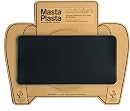 | Best Peel-and-Stick Fix MastaPlasta Self Adhesive Leather PatchCheck Price | Check Price |
 | Best for Small Punctures J-B Weld 2130 Vinyl and Leather Repair KitCheck Price | Check Price |
 | Best for Faded Sofas Furniture Clinic Leather Restoration KitCheck Price | Check Price |
 | Best for Split Seams MORFEN Leather Sewing KitCheck Price | Check Price |
- I would rather buy a plain kit with clear instructions than a loaded case that makes me guess at every step.
- Color is the part I test hardest, because room light and aged leather can fool your eye fast.
- For tricky shades, the Coconix Leather and Vinyl Repair Kit gives me more room to dial in the match.
- If a clean cover up beats an invisible repair, MastaPlasta Premium Self Adhesive Leather Patch keeps the job quick and tidy.
- High wear spots need patience more than muscle, so I build repairs in thin passes and let them cure right.
How to Pick the Right Leather Repair Kit for Your Damage
Damage Type Compatibility
Before I buy any leather repair kit, I figure out whether I am dealing with surface damage or structural damage. Surface damage means the leather is still intact. Think faded color, scuffs, light scratches, worn edges, and dull spots where the finish has rubbed away. For that, you want a cleaner, recoloring compound, dye, or finish restorer.
Structural damage means the material has opened up, separated, stretched, peeled, or lost a chunk. Tears, holes, deep gouges, seam splits, and missing material need filler, backing fabric, adhesive, or a patch. A color restore kit will not close a rip. A patch kit will cover a hole, but it will not blend a sun faded sofa cushion unless the color match is dead on.
- Faded but smooth leather needs recoloring.
- A clean cut or split needs backing fabric, glue, and filler.
- Peeling bonded leather or faux leather often needs a flexible coating or patch, not standard leather conditioner.
Material Compatibility
Leather is not one thing. Aniline leather absorbs moisture and stains easily because it has little surface coating. Pigmented leather has a protective finish and is common on furniture and car seats. Bonded leather is made from leather fibers with a coating on top. Faux leather and vinyl are synthetic, so they do not take dye the same way real leather does.
Do the water drop test before buying a recoloring kit: place one small drop of water on a hidden spot and watch it for about 30 seconds. If it soaks in and darkens the leather, you may have aniline or absorbent leather, and many standard color compounds can stain unevenly. If it beads on the surface, you are probably dealing with pigmented leather, vinyl, or a coated material. A restoration kit like the Furniture Clinic Leather Repair Kit makes the most sense when the surface can accept its cleaner, color, and protector as a system.
For vinyl or faux leather, read the label twice. I like kits that plainly say leather and vinyl, like the Coconix Leather and Vinyl Repair Kit, because mixed furniture and car interiors are common. The armrest might be real leather, while the side panel is vinyl. Sneaky little furniture goblin trick.
Color Matching Method
Premixed colors are fast. Black, white, brown, tan, and gray repairs can be simple if the damaged area is small and the surrounding material is forgiving. The catch is shade. One company’s dark brown can dry with a red cast, while your recliner leans almost espresso.
Mixable systems give you more control. The Coconix kit and the Coconix Leather Care PRO are built around mixing compounds, which helps when you are matching car interiors, two tone furniture, or aged leather. Some kits also offer expert support, which is useful if your “beige” cushion turns out to be beige, gray, yellow, and regret.
Always test the mixed color on a hidden area and let it dry fully, because repair compounds often dry darker than they look in the cup. I usually wait at least a few hours before judging the match. Wet color lies. Dry color tells the truth.
Kit Completeness
A good kit should match the job from start to finish. For a tear, that means backing fabric, adhesive, filler or compound, a spreading tool, texture paper if needed, applicators, and a sealant or finish. For fading, you may need cleaner, prep solution, color, sponge or cloth, and a protective top coat.
If you are repairing a tear, confirm the kit includes adhesive before you check out. Missing glue is one of those small gaps that turns a Saturday repair into a second trip to the store. Some liquid repair kits include color and filler but no way to bond a backing patch under the rip.
- Backing fabric supports holes and wide tears from underneath.
- Adhesive bonds the backing fabric and loose edges.
- Filler levels gouges and torn surfaces.
- Sealant protects the color from rubbing off on clothing.
Patch products work differently. The MastaPlasta Premium Self Adhesive Leather Patch is meant to cover damage with a peel and stick piece, so you are not mixing color or building filler layers. That can be the cleaner choice for a worn office chair, a cracked vinyl seat, or a utility repair where invisible blending is not the goal.
Durability and Flex
Leather moves. Seat cushions compress, armrests flex, steering wheels twist, and recliner footrests bend every time someone kicks back. A repair compound that dries hard may look fine on day one, then crack at the edge after a few weeks of use.
Look for language that says flexible, made for upholstery, suitable for seats, or rated for leather and vinyl movement. I pay extra attention to high contact zones. A rigid filler might survive on the back of a sofa. On a driver’s seat bolster, it is living on borrowed time.
For cushions, armrests, and car seats, choose a flexible formula or a flexible patch, not a hard drying filler meant for flat decorative areas. Also keep layers thin. Thick blobs cure slower, flex worse, and telegraph through the finish like a bad drywall patch under glossy paint.
Skill Level and Time Investment
Some kits are simple. Clean the surface, stick on a patch, press it down, and walk away. Others require sanding, trimming loose fibers, inserting backing fabric, gluing, applying several thin filler coats, drying between layers, matching color, sealing, and waiting before full use. None of that is scary, but it does ask for patience.
If you are new to leather repair, fewer steps usually mean fewer ways to make a mess. A peel and stick patch suits a practical cover up. A mixable compound kit suits someone willing to test colors and build the repair slowly. A sewing kit, like the MORFEN Leather Sewing Kit, is more for seam repairs and heavy material stitching than cosmetic scuffs.
Read the cure time before you start. Many repairs need several hours before light use and longer before they can handle body weight, heat, or friction. I like doing these jobs at the end of the day so I am not staring at a damp armrest wondering if “just one sit” counts as science.
1. Coconix Leather and Vinyl Repair Kit

I like this Coconix kit most for the repair nobody thinks about until the box is open: matching the color. Black and plain brown are easy enough. The trouble starts with a faded tan recliner, a burgundy car seat, or a vinyl dining chair that lives somewhere between cream and gray after ten years of sunlight. That is where this kit earns its spot.
The pigment range gives me more room to work than most budget compound kits. The comparable kit from J B Weld also gives you repair material and a color guide, so it is not bare bones, but Coconix gives you a wider palette to steer from. That matters because leather repair is less about filling a scratch and more about fooling the eye from normal sitting distance. If the color is off, even a smooth repair looks like a bandage.
My biggest tip is to treat the color match like staining wood: sneak up on it. Mix a tiny test batch first, write down the ratio, then let it dry before judging it. This compound can dry darker than it looks wet, and guessing from the mixing cup is how weekend projects become Sunday night regrets. I would rather make three pea sized test dots on hidden material than smear one confident mistake across a sofa arm.
For furniture and car seats with scuffs, scratches, peeling spots, or small tears, this is the right style of kit. It includes the basic repair tools and backing fabric, so small holes are manageable. For a tear with lifted edges, plan on using a separate adhesive first because this kit does not include one. The color compound is for the surface repair, not for doing every structural job underneath it.
Do not expect a museum level invisible fix on a large torn panel. Up close, complicated damage can still show. Thin layers are the safer play, even if that means waiting between passes. The payoff is a repair that blends better and does not build into a raised blob.
The extra nudge here is the free expert help for tricky color matching or repair questions. For a budget kit, that is useful backup. If your damage is only black or dark charcoal, I would consider Coconix’s simpler dark repair kit instead, but for oddball colors, this is the one I would grab first.
Pros:
- Wide color mixing range
- Good for furniture and seats
- Free expert color help
- Includes basic repair tools
Cons:
- No adhesive included
- Wet mix dries darker
2. Coconix Leather Care PRO

I’d grab this Coconix kit first for a black car seat, charcoal console lid, or dark gray sofa cushion. The big win is mental peace. Instead of juggling a rainbow of repair colors like the broader Coconix kit, this one keeps the job in the black and gray lane. For dark interiors, that focus helps. I’m usually blending tiny amounts on scrap cardboard, letting a test dab dry, then adjusting before touching the seat. Wet compound can fool your eye.
The kit includes the repair compound, backing fabric, and small tools, so it handles more than surface scuffs. For a puncture or small tear, I’d take my time building thin layers rather than trying to bury the damage in one heavy pass. That gives the flexible finish a better shot at moving with vinyl or leather instead of looking like a blob of caulk. Nice image, I know.
Compared with the full color Coconix kit, this one makes more sense if everything you own is black, charcoal, or dark gray. The wider kit wins for tan, red, blue, or oddball furniture colors. This one wins when color choice is the problem you want removed.
It will not make damage vanish under harsh sunlight, and the matte finish may need extra blending if your leather has more shine. For daily driver seats and couch arms, I’d call it a strong budget pick. If speed matters more than blending, the next style of repair goes in a very different direction.
Pros:
- Simple dark color blending
- Works on leather and vinyl
- Backing fabric included
Cons:
- Repairs may remain visible
3. MastaPlasta Self Adhesive Leather Patch
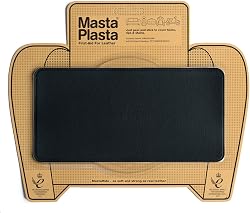
I’d use MastaPlasta when the couch has a split right before company shows up, or the car seat has one ugly tear that keeps catching on jeans. This is the no drama pick. No mixing cups, no tinting, no tiny spatula work, no waiting around while a compound decides what color it wants to dry.
The trade is simple. With Coconix or the J B Weld kit, the goal is to hide the repair by filling, blending, and matching color. That can pay off, but it takes patience, and color matching can still go sideways. MastaPlasta takes the opposite route. It covers the damage fast. You peel it, place it, press it down, and move on with your day. For renters, busy parents, or anyone trying to stop a rip from spreading before it becomes a bigger bill, I think that speed matters.
The 8 by 4 inch black patch makes the most sense on dark leather or vinyl where a neat rectangle will not scream from across the room. Up close, yes, I’d expect to see the border or a slight finish difference, especially on textured or perforated seats. This is not an invisible repair. It is a clean patch. Big difference.
Placement is the one part I would not rush. Dry fit it first, mark the area mentally, then commit. Once the adhesive touches down, trying to lift and reset it can cost you grip. On armrests and seat bolsters that get rubbed every day, I’d keep an eye on the edges after months of use, because friction is where any stick on repair gets tested.
For me, this is worth it when “fixed enough in thirty seconds” beats “maybe prettier after three hours.” Next up, I’m heading from shortcut territory back to the kind of workbench brand most DIY folks already recognize.
Pros:
- No tools or mixing
- Fast tear coverage
- Clean slim edge
Cons:
- Repair remains visible
- Poor second chance placement
4. J-B Weld 2130 Vinyl and Leather Repair Kit

I came into the J B Weld 2130 kit with the same bias a lot of garage people have: if that name is on the tube, I expect it to bond. For small leather and vinyl repairs, it mostly earns that trust, as long as the damage is modest and I slow down.
The kit gives me compound, backing material, an applicator, and instructions, so I am not hunting through drawers before fixing a couch arm or a tiny puncture in a car seat. I like the backing for a tear that wants to keep traveling. Clean the area, tuck the support behind the split, and build the repair in thin passes. Do not glob it on and hope for magic. That is how lumpy repairs happen.
The color work is where I keep my expectations in check. The mix can dry darker than it looks wet, so I would test on scrap or an out of sight spot first. The texture step also needs patience, because poor timing can lift the finish. Compared with the Coconix compound kit, this feels more familiar to me as a bonding brand, but the possible old stock issue makes me inspect the paste before committing to the repair.
If your leather is not torn and just looks sun beaten, the next style of kit makes more sense than filler.
Pros:
- No heat tool needed
- Backing helps spreading tears
Cons:
- Dries darker than mixed
- Old stock risk
5. Furniture Clinic Leather Restoration Kit

I treat the Furniture Clinic kit less like a patch kit and more like a color rehab session. If your aniline leather chair has gone dull, cloudy, and uneven from sun, heat, pets, or years of jeans sliding across it, this is the kind of product I’d reach for before calling an upholsterer.
The big catch is right up front: it needs absorbent leather. I’d test a hidden spot with a tiny drop of water before buying. If the leather takes it in, you’re in the right neighborhood. If the water beads up, this kit is probably going to frustrate you.
What I like here is the full workflow. You get large bottles for cleaning and final conditioning, plus the color balm and basic applicators. On a faded sofa arm or a worn chair cushion, that matters because dirt has to come off before color has any chance of looking even. I’d clean the whole panel, not just the pale spot, then work the balm in thin passes. Don’t glob it on like spackle. This is color work, not drywall repair.
Compared with the Coconix leather and vinyl kit, this one solves a different problem. Coconix is the better pick when there’s a nick, gouge, small tear, or missing surface that needs filling and color blending. Furniture Clinic is for leather that is still physically intact but looks tired, bleached, or blotchy. Scratches and cracks may still show after treatment, only less loudly.
My one concern is moisture. The color balm is not something I’d trust on a drink spill zone without caution, and the protective cream can disturb the color if the surface is not ready. I’d wait longer than a day, test a hidden area, and keep the first application gentle.
If the problem is failed stitching or a seam that has opened up, color balm and filler kits are the wrong tools. That job moves into needle, thread, and hand sewing territory.
Pros:
- Excellent faded leather revival
- Best on absorbent aniline
- Complete cleaning to protection setup
- Beginner friendly process
Cons:
- Not for tears
- Color may bleed
6. MORFEN Leather Sewing Kit

I keep a sewing kit like this around for the failures that filler and patches just cannot solve. A split car seat seam, a boot pull tab tearing loose, a bag handle starting to open up. Those need thread through material, not a colored smear over the wound.
The MORFEN kit is the cheap insurance policy in this lineup. Compared with MastaPlasta, it solves a different problem. MastaPlasta hides and protects a surface tear with an adhesive cover. MORFEN lets me pull two separated edges back together, which matters when the original stitching has let go. The mix of needle shapes helps around awkward upholstery corners, and the wax coated thread has enough body for leather, canvas, and heavier fabric jobs.
I would not call it perfect for first timers. I would practice on scrap first, and the finger protection may feel skimpy if you have big hands or are pushing through thick leather. Still, for occasional seam repairs, this is one of those small kits I am glad to own before I need it.
Pros:
- Great for failed seams
- Useful needle variety
- Strong wax coated thread
Cons:
- Thin hand protection
Frequently Asked Questions
Can I use a leather repair kit on faux leather or vinyl?
Yes. Most compound kits work on faux leather, vinyl, PU, and bonded leather, not just real leather. The Coconix and J B Weld 2130 kits both cover those materials.
MastaPlasta patches also stick to vinyl. I still check the label and test a hidden corner first, because slick coatings can make adhesion fussy.
How long does a DIY leather repair typically last?
On low flex areas, a compound repair can last for years if you build it in thin layers and let each layer cure. Think side panels, chair backs, and spots that do not get rubbed every day.
Armrests, steering wheels, and seat bolsters wear faster. I’d expect 6 to 12 months before a touch up in those zones. MastaPlasta patches often hold about a year on daily use surfaces before an edge may start to lift.
Why does my repair compound dry darker than the color I mixed?
As the compound dries, water evaporates and the pigment concentrates. Some pigments also shift a bit as they cure, so the wet mix can fool you. Mix slightly lighter than your target color, then test it on a hidden spot and let it dry fully, as I cover in the color matching section above. Coconix support can help with color ratios if you are trying to match a tricky brown or gray.
Do I need to buy adhesive separately for tear repairs?
Often, yes. Some kits include filler and color but no glue for anchoring backing fabric under a tear. Coconix kits are a common example, so I keep fabric glue or contact cement nearby before I start.
Check the kit contents before repair day. Nothing kills a Saturday project faster than having the color mixed and realizing the backing piece is just floating around under the cut.
What’s the difference between a leather repair kit and a leather recoloring kit?
Repair kits fill physical damage. Use them for scratches, cuts, small holes, and torn edges. Coconix and J B Weld style kits are built for that kind of work.
Recoloring or restoration kits, like Furniture Clinic products, focus on faded color and worn finish. If the leather is torn and faded, fix the damage first, then restore the color after the repair cures.
Can I sew a leather tear instead of patching or filling it?
Yes. For seam blowouts or clean tears along stitch lines, sewing can be stronger than compound alone. A leather sewing kit like MORFEN gives you the needles and thread for that job.
Use waxed thread and a curved needle on upholstery. I still like a backing patch under stressed areas, because stitches need something solid to pull against.