

Sealing pavers sounds simple until you’re standing in the driveway with a roller in one hand, a cloudy test spot at your feet, and that little voice asking why the patio suddenly looks like a wet raccoon. Been there. The right sealer deepens color, fights stains, and helps lock sand into the joints. The wrong one leaves blotches, haze, or a finish that gives out before the next cookout.
When I’m hunting for the best paver sealer, I watch three things: how it goes down, how the surface looks once it cures, and whether it survives real driveway and patio abuse. Sun, rain, grill grease, tire marks, muddy shoes, the occasional dropped burger. All of it sorts the decent products from the ones worth buying twice.
Below, I’ll walk through the five that earned their spot, where each one fits, and the little details that matter before you pop the lid. No fluff, no mystery chemistry lectures. Just what I’d actually use.
- Cracked pavers or slab get repaired before any of this — see my concrete crack filler picks.
Best Paver Sealers in 2026
| Image | Model | |
|---|---|---|
 | Best Overall Armor AR350 SealerEditor's Choice  Check Price | Check Price |
 | Best High Gloss Paver Sealer SuperSeal 30 GlossCheck Price | Check Price |
 | Best For Subtle Color Enhancement DOMINATOR Low-Sheen SealerCheck Price | Check Price |
 | Best for Beginners MasonryDefender Patio SealerCheck Price | Check Price |
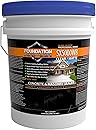 | Best Penetrating Sealer Armor SX5000 WBCheck Price | Check Price |
Everything below assumes the surface is genuinely clean, and on pavers that means more than a hose: embedded grit, tyre marks and grill grease all sit in the pores where sealer needs to go. My pressure washer roundup covers the machines that clear them out.
1. Armor AR350 Low-Sheen Paver Sealer

Armor AR350 is what I reach for when the goal isn’t a mirror-bright finish, but that darker, just-rained-on look with a restrained shine. It’s a solvent-based acrylic built for exterior concrete and concrete pavers, and it makes the most sense on bare surfaces or anything already wearing a compatible solvent-acrylic coating.
What I like is the balance. It boosts color, lays down a protective film, and goes on with a roller or sprayer once the surface is clean and bone-dry. Listed coverage runs up to 175-225 square feet per gallon, though I wouldn’t plan too tightly on porous pavers. Thirsty pavers drink sealer like a shop vac eats drywall dust, so two coats is usually the smarter call, and very porous surfaces might want more before the look evens out.
Timing matters here more than with most. The directions push you toward applying late in the day as temps fall, not under hot sun, because bad timing brings on cloudy spots and bubbles. It’s rated for driveways, patios, walkways, pool decks, sidewalks, stamped concrete, broom-finished concrete, and poured concrete. I wouldn’t put it anywhere near clay brick, slate, flagstone, or natural stone. Right product, right surface — funny how often that saves a weekend.
Pros:
- Deepens faded concrete and paver color without going full high-gloss.
- Works on several common exterior concrete surfaces, including pavers, patios, driveways, and walkways.
- Can be applied by roller or sprayer after proper cleaning and drying.
- Made to resist yellowing and offer protection against weather, water, traffic, salts, and UV exposure.
Cons:
- Porous pavers may need extra material and additional coats for an even appearance.
- Application conditions are fussy. Heat, sun, or moisture can wreck the finish.
2. Clemons SuperSeal 30 Gloss Paver Sealer

If I’m picking for shine first, Clemons SuperSeal 30 is the one that gets my attention. Where the AR350 up top keeps things low and subtle, this clear acrylic goes the other direction. Thirty percent solids, built to leave brick pavers, stamped concrete, stained concrete, exposed aggregate, and other decorative surfaces looking deepened and freshly damp.
For pavers, listed coverage sits around 100 square feet per gallon, so measure carefully before you order. On stamped or decorative concrete it climbs to about 200, but texture and porosity can torch that number fast. One coat is the recommended starting point. More coats build more shine, but as any weekend warrior with a roller and too much optimism learns, extra coating isn’t always extra wisdom.
Application’s simple, just not sprayer-friendly. This one wants a half-inch nap roller, which suits me fine for controlled work around patios, walkways, and paver borders. It’ll also help firm up the sand joints between pavers — handy if your patio’s started looking tired. Heads up though: it can’t ship to several low-VOC states, including AZ, CA, CT, DC, DE, IL, IN, MA, MD, ME, NH, NJ, NY, OH, PA, RI, VA, and VT.
Pros:
- Strong choice when a high-shine, color-rich paver finish is the goal.
- Works on pavers, stamped concrete, stained concrete, decorative concrete, and exposed aggregate.
- One-coat application keeps the job simpler.
- Can help stabilize sand joints between pavers.
Cons:
- Not suitable for sprayer application. Roller only.
- Shipping is restricted in multiple low-VOC states.
3. DOMINATOR Water-Based Low-Sheen Paver Sealer

I like this DOMINATOR sealer for the patio or driveway job where I want the surface looking cared for, not shrink-wrapped in clear plastic. It’s water-based, ready to use straight from the jug, and meant for outdoor hardscape like pavers, brick, flagstone, bluestone, and natural stone. The finish leans refined over flashy. Color gets richer, shine stays in check.
Application’s easy, which earns points in my book. Clean, dry, gentle mix, then sprayer or roller. I’d still back-roll after spraying, especially around joints, because puddles are where sealers love to make a mess. The timing’s practical too: it can feel dry fairly fast, but I keep foot traffic off for a full day and wait longer before parking on it. Not me being precious. Me dodging tire marks and regret.
The thing to know going in is that this isn’t your sealer for a bold, glossy makeover. For that, scroll back up to the SuperSeal. Dominator’s better for a natural-looking refresh with water resistance, stain protection, and a little UV help. On older or very porous pavers I’d test a hidden spot first and plan coverage carefully, since thirsty surfaces drink sealer like a contractor drinks coffee on a Monday.
Pros:
- Water-based formula is easier to work with than harsher solvent-style options.
- Enhances paver color without creating an overly shiny look.
- Can be applied by sprayer or roller, with back-rolling helping the final appearance.
- Useful for several outdoor hardscape surfaces, including pavers, brick, flagstone, bluestone, and natural stone.
Cons:
- May be too subtle if you want a high-gloss, dramatic wet-look finish.
- Porous or uneven surfaces need careful prep and application to avoid blotches.
4. MasonryDefender Patio Paver Soft-Sheen Sealer

MasonryDefender is the one I’d look at when I want pavers protected without the patio looking dipped in syrup. Like the Dominator above, it’s a water-based formula that keeps things low-key. Goes on pale, dries clear, settles into a restrained sheen. Good fit for brick walks, patio pavers, stone, and plenty of horizontal concrete or masonry where a loud glossy finish would feel wrong.
Homeowner-friendly to put down: no mixing, a pump sprayer’s the intended tool, and brushing it back helps even things out. Listed coverage is 75 to 150 square feet per gallon on cement pavers, with clay pavers possibly stretching farther depending on how thirsty the surface runs. Two coats recommended, about 1 to 2 hours between them in decent drying weather. Weather always gets a vote — cool or humid days slow the whole show down.
What I like most is that it helps firm up the sand between pavers, same as the SuperSeal does, which earns its keep on walkways and patios that get hammered by rain. It’s not magic armor against every stain, and brake fluid’s still bad news, but quick oil cleanup gets realistic once the surface is sealed. Use a roller or brush instead of a sprayer and you’ll fuss more and probably burn more product, especially around the joints. Funny how patios always find a way to eat one more gallon.
Pros:
- Gives pavers a more finished look without a heavy, glassy shine
- Water-based formula has mild odor and cleans up without solvent hassle
- Helps bind the sand in paver joints, which can reduce washout and shifting
- Works on several common outdoor hardscape surfaces, including brick, pavers, stone, and horizontal concrete
Cons:
- Not the right pick if you want a bold wet-look finish
- Coverage can drop on porous surfaces or when applied by roller and brush
5. Armor SX5000 WB Natural-Look Paver Sealer
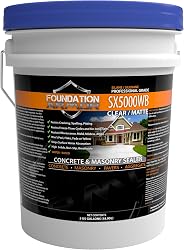
I like the Armor SX5000 WB for pavers when the goal is protection without dressing the surface up. This is a penetrating water-based silane-siloxane sealer, so it works down inside the material instead of sitting on top like the four film-formers above. For brick pavers, concrete, natural stone, and masonry that’s still unsealed and absorbent, that’s exactly what I want when I’m trying to keep the original look intact.
The big draw is water resistance with no visible finish. It’s rated to cut liquid uptake by as much as 95%, with protection listed up to 7 to 10 years when it’s applied right. I appreciate the practical side too: ready to go with a pump sprayer, no real odor, 0 VOC, soap-and-water cleanup. Way less fuss than the oilier, stinkier stuff, and my lungs aren’t handing out thank-you notes very often.
Prep still matters. The surface needs to be clean, dry, and actually able to absorb the sealer, and the application window’s 55 to 85 degrees F. Coverage runs up to 175 square feet per gallon on porous surfaces, up to 200 to 225 on smoother prepared ones, so measure before you buy. If you don’t want gloss and you don’t want to babysit the finish every couple years, this is the pick that asks the least of you down the road.
Pros:
- Preserves the original look instead of adding gloss or darkening the surface.
- Penetrating formula helps protect pavers, concrete, brick, stone, and masonry from water intrusion.
- Water-based formula is low-hassle to apply and clean up.
- Long listed protection period of up to 7 to 10 years when used as directed.
Cons:
- No color or shine boost, so it’s the wrong pick if you’re chasing a wet look.
- Not meant for surfaces with an existing film-forming sealer or coating.
Penetrating vs. Film-Forming Sealers: Pick Your Poison
Here’s the first fork in the road, and it trips up more people than anything else. Penetrating sealers (silanes, siloxanes, the SX5000 WB from my list) soak down into the paver and protect from the inside out. They leave the surface looking pretty much like it always did. No shine, no slickness, just bone-dry protection against water and salt. Film-formers, meaning the AR350, SuperSeal 30, Dominator, and MasonryDefender up top, sit on the surface and hand you that wet look or gloss everybody loves on Instagram.
I’ll be honest, I’ve used both, and they each have a place. Film-formers look gorgeous the day you roll them on. But they can trap moisture if your pavers sit on damp ground, and that’s how the dreaded white haze shows up (more on that nightmare later). If your pavers are over a poorly draining base or stuck in a shady, damp corner, go penetrating. Film-forming sealers trap moisture and cloud over, and stripping them back off is a miserable weekend you’ll never get back. The National Park Service’s preservation brief on masonry moisture hammers the point home: breathability matters more than people think.
For high-traffic patios and driveways where you want color pop and stain resistance, a film-former earns its keep. For walkways, pool decks, and anywhere drainage is iffy, penetrating is the smart money.
Sealer Chemistry: What’s Actually in the Can
You’ll see a few main types out there, and the labels love to make this confusing. Let me break it down the way I wish someone had for me when I was standing in the aisle scratching my head.
- Acrylic — Most common film-former. Easy to apply, gives that wet look, won’t wreck your budget. Reapply every couple years. The AR350, SuperSeal, Dominator, and MasonryDefender all live here.
- Polyurethane — Tougher, more abrasion-resistant, great for driveways. Steeper price, less forgiving on application.
- Silane/Siloxane (penetrating) — Invisible protection, breathable, long-lasting. No shine, if that’s what you’re after. The SX5000 WB is my pick in this camp.
- Epoxy — Heavy-duty, usually commercial or garage-floor territory. Overkill for most backyard patios.
One thing I want you to burn into your brain: steer clear of coal-tar-based sealers. The EPA and USGS have documented serious PAH contamination from this stuff, and there are plenty of safer chemistries that do the job just as well. The EPA’s guidance on coal-tar sealcoat and the USGS studies aren’t fearmongering. That gunk washes into storm drains and sticks around for years. Pick a water-based or modern solvent-based acrylic, or a penetrating sealer, and sleep easier.
Water-Based or Solvent-Based?
This used to be a no-brainer. Solvent-based gave you the deeper, richer wet look and bonded better. But VOC rules have tightened, and honestly, modern water-based sealers have closed most of the gap. Water-based cleans up with soap and water, doesn’t smell like you huffed a gas can, and goes easier on your lungs and your neighbors. The Dominator and MasonryDefender from my list are both water-based for exactly this reason.
Solvent-based still tends to throw a slightly glossier, more dramatic finish and can bite into the surface a touch better. That’s the SuperSeal 30 and AR350 story. You’ll be wearing a respirator and the cleanup’s a chore, though. Check the VOC content on the label and make sure it’s legal where you live. The EPA’s architectural coatings rules set federal limits, but states like California go stricter, and some products flat-out can’t be sold there. The SuperSeal’s shipping restrictions are a perfect example.
Joint Stabilization: The Feature Nobody Talks About
Got polymeric sand or regular sand in your paver joints? Some sealers pull double duty and lock that sand in place. Big deal if you’re sick of weeds creeping up between pavers or sand washing out every time it storms. A joint-stabilizing sealer hardens the joint material a bit, keeping ants, weeds, and erosion in check. Two on my list do this well: the SuperSeal 30 and the MasonryDefender.
Not every sealer pulls it off, so read the can. The Interlocking Concrete Pavement Institute has solid technical resources on joint stabilization, and their specs are basically gospel for municipal paver work. Go this route and you’ll want your joints filled to the proper depth and bone-dry first. Sealing over damp or half-empty joints is how you end up with a crumbly, hazy mess instead of a locked-in, weed-free patio.
Wider gaps and blown joints are past what sand and sealer will hold, and want filling properly first — my asphalt crack filler guide covers the driveway version of that repair.
Finish and Sheen: Manage Your Expectations
This is where folks get surprised, and not always the good kind. Sealers run from matte/natural all the way to high-gloss. A wet look or gloss finish darkens the pavers and makes the color pop, which looks fantastic on a fresh install. The SuperSeal 30 is your guy for max shine. Here’s the catch though: glossy and wet-look sealers turn dangerously slick when wet, so think hard before slapping high-gloss on pool decks, steps, or anywhere bare feet and water mix.
Want a little color enhancement without the skating-rink risk? Go for a matte or satin enhancer like the MasonryDefender or Dominator, or mix a slip-resistant additive into whatever you’ve got (most makers sell a fine grit for exactly this). I learned this one the hard way on my back steps after the first rain. Let’s just say I tested the slip resistance myself, involuntarily.
Coverage, Reapplication, and Performance Standards
Always check the coverage rate on the label and buy a little extra. Pavers are porous and thirstier than smooth concrete, so you’ll burn through sealer faster than the can promises. Penetrating sealers generally last longest, five-plus years isn’t unusual, and the SX5000 WB is rated even higher. Acrylic film-formers want a refresh every two to three years, sooner under brutal sun or heavy traffic.
Want to compare quality past the marketing fluff? Look for references to industry performance standards. Quality curing and sealing compounds get tested against ASTM C1315 and ASTM C309, the same benchmarks the Federal Highway Administration and government specs lean on for concrete and paver work. A product that mentions meeting these isn’t just blowing smoke. It’s been put through its paces.
Application Tips From Someone Who’s Botched It
Let me save you some grief. Pavers need to be clean and completely dry before sealing. And I mean dry, not “looks dry but it rained yesterday” dry. Trapped moisture is the number one cause of that ugly white blush that makes your patio look like it caught a cold.
- Clean thoroughly and let everything dry at least 24–48 hours after rain or pressure washing. A moisture meter settles the argument faster than guessing does.
- Check the forecast. No rain for 24 hours minimum after you seal.
- Apply in mild temps, out of direct blazing sun, so it doesn’t flash-dry before it can soak in.
- Thin, even coats beat one thick gloppy coat every single time.
Do a test patch in an out-of-sight corner before you commit to the whole patio. Sealers can darken pavers way more than you expect, and there’s no undo button once it’s down. Trust me on this one. Better to find out on a square foot behind the grill than to watch your whole driveway turn the color of wet asphalt when you wanted a subtle natural finish.