

You know the moment. It is Saturday morning, the hose is in your hand, and the driveway still looks like it lost a fight with winter. You thumb the nozzle, lean in, and watch one pale little stripe appear in the grime. Cute. Not enough.
Finding the best pressure washer for home use should be simple, but the aisle gets noisy fast. Gas, electric, corded, cordless, giant PSI numbers, tiny fine print. I care less about the biggest claim on the box and more about what actually cleans a driveway, rinses a car without peeling trim, freshens a patio, and washes siding without making you regret your Saturday. So let me walk you through how I pick one, then run through the machines that earned a spot.
- Washing is usually step one of sealing a patio — see my paver sealers guide for what follows.
Best Pressure Washers for Home Use in 2026
| Image | Model | |
|---|---|---|
 | Best Overall Westinghouse ePX3500Editor's Choice  Check Price | Check Price |
 | Best Everyday Value Sun Joe SPX3000Check Price | Check Price |
 | Best for Light Cleaning Karcher K1700Check Price | Check Price |
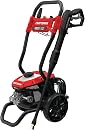 | Best Reach Craftsman CMEPW1900Check Price | Check Price |
 | Best Cord-Free Freedom EGO Power+ HPW3200 CordlessCheck Price | Check Price |
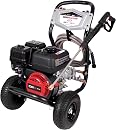 | Best for Heavy-Duty Jobs Simpson CM61083 Clean MachineCheck Price | Check Price |
 | Best Value Bundle LWQ Pressure WasherCheck Price | Check Price |
- I would rather have steady, easy setup than bragging specs, because the washer that rolls out without a fight gets used all season.
- For tight garages and stop start chores, the Westinghouse ePX3500 is a good example of why balance and steering matter as much as spray strength.
- If you swap between soap jobs, the Sun Joe SPX3000 shows how small convenience features can save more time than another bump in pressure.
- Plan your cleanup path before you buy, since stairs, gates, gravel, and outlet placement expose weak wheels and short reach fast.
- For cars, painted trim, and older wood, I care more about trigger control and the right tip than raw cutting power.
- Check the surface before you blast it: on old concrete a narrow tip will widen every hairline it finds, which is why I patch first with a concrete crack filler and wash afterwards.
How to Choose a Pressure Washer for Home Use
PSI and GPM: What the Numbers Actually Mean
PSI gets the big print on the box, but GPM is the number I always check next. PSI tells you how hard the water hits. GPM tells you how much water moves across the surface. Multiply them together and you get Cleaning Units, which is a better real world picture of how fast the washer will clean.
For most home jobs, I like the 1700 to 2500 PSI range. That covers cars, patio furniture, decks, vinyl siding, grills, trash cans, and normal driveway grime without turning every weekend chore into a paint removal experiment. More pressure helps on concrete, but too much pressure in the wrong hands can scar wood, lift paint, or chew up soft trim.
Do not buy on peak PSI alone. Look for rated performance, and give extra trust to CETA certified numbers like those on the Karcher K1700. Some advertised PSI figures are short burst peak ratings, not the pressure the washer holds while you are actually cleaning. A lower honest rating beats a flashy number that fades once the trigger is pulled.
Gas vs. Electric vs. Cordless
Gas pressure washers bring the muscle. If I am cleaning a long driveway, stripping heavy mildew from concrete, or working far from an outlet, gas makes sense. The Simpson CM61083 fits that heavier use pattern with more pressure, a real engine, and no cord to babysit.
Gas also comes with chores. You have oil, fuel, spark plugs, noise, fumes, and winter storage to think about. Never run a gas pressure washer indoors, in a garage, or near an open door because carbon monoxide can build up fast. I do not care how short the job is. Roll it outside.
- Choose gas for large concrete areas, frequent deep cleaning, and long outdoor sessions.
- Choose corded electric for cars, decks, siding, patio furniture, and normal homeowner cleanup.
- Choose cordless when outlets are the problem and runtime limits are acceptable.
Corded electric is what I recommend to most homeowners. It is quieter, easier to store, and needs very little maintenance. The Sun Joe SPX3000, Westinghouse ePX3500, Craftsman CMEPW1900, and Karcher K1700 all sit in that practical homeowner lane. Cordless models like the EGO Power+ 3200 PSI Cordless give you freedom from outlets, but battery runtime becomes part of the job plan.
Hose Length and Cord Reach
Hose length decides how often you drag the machine around. Most homeowner pressure washers land between 20 and 35 ft. A 20 ft hose is fine for washing a car or cleaning a small patio. On a driveway, fence line, or two story siding job, it starts to feel short right when your shoes are already soaked.
With corded electric units, add the power cord to the equation. The Craftsman CMEPW1900 pairs a 25 ft hose with a 35 ft cord, which gives you more working range than the hose number alone suggests, though you still need a safe outlet and proper outdoor rated extension setup if the manual allows it. I prefer moving the washer less often, mostly because tipping a running machine over is a bad way to learn patience.
For large driveways or siding, buy the longest hose setup you can store neatly, or plan on adding a compatible extension hose. Compatibility matters. Match the connector type and pressure rating before ordering extra hose.
Nozzle Selection and Detergent Systems
Nozzles change the spray pattern, and the spray pattern changes the damage potential. The narrow tips hit harder. The wider tips clean slower but forgive small mistakes. I start wide, test in a hidden spot, then step down only if the grime refuses to move.
- 0° nozzle: a pencil jet for stripping stubborn spots, not for cars, wood, windows, or siding seams.
- 15° nozzle: strong cleaning for concrete and tough surfaces.
- 25° nozzle: the everyday cleaning tip for decks, siding, and general grime.
- 40° nozzle: a gentler rinse for painted surfaces, vehicles, and patio furniture. Even at 40° a washer strips failing paint rather than cleaning it, so if the surface is flaking, take it back properly with a chemical paint stripper instead.
- Soap nozzle: low pressure application for detergent.
Built in detergent tanks are convenient for house wash and general soap. Dual tanks, like the setup on the Sun Joe SPX3000, let you switch between two solutions without stopping to rinse a bottle. For vehicles, I still prefer a foam cannon. It lays down thicker suds than most onboard soap systems and gives the soap more time to loosen road film. The LWQ Pressure Washer throws one in the box, which saves you a separate purchase.
Weight, Wheels, and Storage Reality
A pressure washer you actually pull out beats a stronger one that lives under a tarp behind the lawn mower. I have seen plenty of 40 lb machines collect dust because setup feels like a small event. A 20 lb unit that stores cleanly and rolls out in one trip gets used more often.
Look closely at the wheels. Never flat wheels are simple and garage friendly. Pneumatic tires roll better over gravel and rough yards, but they can lose air. Small rollers work fine on smooth concrete, then get dramatic on cracks. The Westinghouse ePX3500 uses four wheel steering, which helps in tight garage spaces where most upright machines wobble like a shopping cart with opinions. If the cracks are bad enough to catch a wheel, they are past cosmetic — on blacktop that is a job for a rubberised asphalt filler before anything else.
Storage matters more than the spec sheet admits. Onboard spots for the gun, wand, nozzles, cord, and hose keep the whole kit together. Compact vertical designs save floor space, and the Karcher K1700 and Craftsman CMEPW1900 do a good job keeping accessories from migrating into random drawers.
Motor Protection and Warranty
On electric pressure washers, I look for Total Stop System, often shortened to TSS. It shuts the motor off when you release the trigger. That cuts heat, reduces pump wear, and keeps the machine from sitting there screaming while you move a chair or untangle the hose.
For any electric pressure washer, treat TSS or auto stop as a must have feature, not a bonus. The Westinghouse ePX3500 and Sun Joe SPX3000 both include it, which is one reason they make sense for home use. Less noise between passes. Less stress on the pump.
Warranty length tells me how much confidence the brand has in the machine. For homeowner use, 2 to 3 years is the benchmark I like to see. Read what the warranty covers, especially the pump, motor, hose, and accessories. Those are the parts that take the abuse once spring cleaning turns into a full Saturday.
1. Westinghouse ePX3500

Set the Westinghouse ePX3500 next to the Sun Joe SPX3000 and the first thing I notice is the stance. The Sun Joe has the longer track record and usually sits in the cheaper lane, but the Westinghouse feels more planted. That matters around the house, because pressure washers love to follow you like a stubborn shopping cart when you pull the hose.
This one is built low and rides on four swiveling wheels, so it is less likely to flop over while you work around a car, patio furniture, or a narrow side yard. At 19 pounds and only 16.5 inches tall, it is also easy to tuck on a garage shelf or slide into a corner. The tool you can put away without rearranging the garage is the tool you will use more than once a year.
The cleaning setup covers the usual weekend list. You get five quick connect spray options: 0°, 15°, 25°, turbo, and soap. I would use the 25° tip for siding and painted surfaces, the 15° for dirtier concrete, and save the 0° tip for very controlled spots because it can be too aggressive up close. The turbo nozzle is the one I would grab for patio grime and driveway stripes. The 17.5 inch steel wand gives enough reach that you are not hunched over the whole time, which my back appreciates more every birthday.
The big numbers are max figures, so I would pay closer attention to the rated output: 2000 PSI and 1.2 GPM. That is right in the sweet spot for cars, fencing, patios, siding, garage floors, and routine driveway cleanup. It is not a gas machine replacement for blasting years of neglect off huge concrete slabs, but for normal homeowner cleaning, it has enough muscle without asking you to learn carburetors.
The Total Stop System is a real plus because the pump shuts down when the trigger is released. Less noise, less wasted energy, less unnecessary wear. I also like the 3 year limited coverage, which gives the Westinghouse an edge over the Sun Joe if warranty confidence matters to you.
I do have a few gripes. The 20 ounce soap tank is small for bigger wash sessions, and the cord plus 25 foot hose can get into a wrestling match if you move around a lot. The setup directions could be clearer too. Still, if I wanted one corded electric pressure washer for the average home, this is the one I would put at the top. If the budget needs trimming, the Sun Joe SPX3000 is the next place I would look.
- Compact 19 pound body
- Stable 4 wheel base
- Total Stop pump protection
- Strong 3 year warranty
- Small 20 ounce soap tank
- Cord and hose can tangle
2. Sun Joe SPX3000

More than 64,000 ratings is not magic. A pressure washer survives that kind of backyard abuse because it does enough things right, and the Sun Joe SPX3000 has the kind of track record I like for home use. Not fancy. Not industrial. Just a plug in washer that can come out in spring, blast the patio, clean the car, knock grime off siding, and go back on the shelf.
The big appeal is value with staying power. Its rated 2030 PSI and 1.2 GPM give it enough bite for normal homeowner messes, especially concrete film, deck dirt, and road grime on vehicles. I would not treat it like a gas machine for all day heavy work, but for seasonal cleaning it makes sense. The five spray tips help here because I can swap from a narrow stream for stubborn spots to a wider fan when I do not want to chew up wood or paint.
Compared with the Westinghouse ePX3500, this one is less polished in a couple ways. The Westinghouse holds steadier thanks to its low center design, and you give up some warranty length by picking the Sun Joe. What you gain is the lower cost, years of documented service, and two detergent tanks instead of one small soap setup. For a homeowner who switches between deck wash and car soap, that matters more than it sounds.
The weak spots are not mysterious. The inlet connection can leak unless it is seated carefully, and the 20 foot hose means I move the machine more than I want on a long driveway. The built in soap system is fine for basic detergent, but for car washing I would budget for a separate foam cannon. If verified performance numbers matter more to you than big ratings and long ownership history, the Karcher K1700 takes that route instead.
Pros:
- Proven long term reliability
- Strong home cleaning power
- Dual detergent tanks
Cons:
- Inlet may leak
- Short pressure hose
3. Karcher K1700

The number I trust on the Karcher K1700 is 1700 PSI because that rating is independently checked, not just printed big on the box. In the budget electric crowd, that matters. Some washers chase bigger numbers, but this one gives me a clearer idea of what will hit the driveway, car, siding, or patio chair.
For normal home use, I think this is the right kind of modest. The 1.2 GPM flow is not going to peel years of neglect off a long concrete drive in one lazy afternoon, but it handles lighter cleanup well. I would use the 15 degree nozzle for grimy patio edges, the turbo nozzle for small stubborn spots, and the soap nozzle with the half gallon detergent tank for washing vehicles or outdoor furniture. The foot switch is one of those little conveniences I appreciate more after the third time bending over.
Compared with the Sun Joe SPX3000, the K1700 gives up some headline muscle and extra accessories, but it feels more truthful about its output and keeps the cord, wand, and accessories more neatly contained. The weak points are practical ones: the hose is stiff, the inlet connection may need attention if it seeps, and accessory upgrades can get fussy because of the fitting size.
I would pick it for cars, siding rinses, and weekend patio maintenance. If the next project is bigger siding work, a broad driveway, or deck rehab, I would move up to something like the Craftsman CMEPW1900.
Pros:
- Verified 1700 PSI rating
- Three useful spray nozzles
- Neat onboard storage
Cons:
- Stiff short hose
- Fussy accessory compatibility
4. Craftsman CMEPW1900
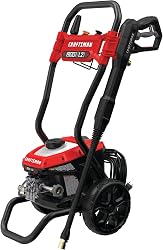
Put this Craftsman next to the Westinghouse ePX3500 on a long driveway, and the reach is the first thing I care about. The Craftsman gives me a 35 foot cord and a 25 foot hose, which means fewer trips back to drag the machine ten feet farther like I am walking a stubborn shop vac.
For home use, that matters more than it sounds. Cleaning a big deck, a wide patio, or the lower run of two story siding goes smoother when the washer can stay parked near one outlet while I work a full section. The 1900 PSI and 1.2 GPM setup has enough bite for normal homeowner grime like algae on boards, dirty concrete, clay splatter, and road film on a vehicle. I would not treat it like a gas machine for neglected concrete, but for routine weekend cleanup, it earns its keep.
I also like that it stays compact and light enough to carry when needed. And yes, sometimes you will need to carry it. The wheels are not the part I would brag about if the path includes gravel, mulch, or soft yard. Hose storage is another sore spot, since a stiff 25 foot hose rarely behaves like a neat little coil after the job.
Still, if your outlet is good and your cleaning area is spread out, this is one of the more sensible corded electrics here. If the cord itself is the thing driving you nuts, the next step is cutting that tether completely.
Pros:
- Long cord and hose
- Good routine cleaning power
Cons:
- Wheels struggle off pavement
- Awkward hose storage
5. EGO Power+ HPW3200 Cordless

I do not usually expect cordless pressure washers to sit in the same conversation as gas machines, but the EGO Power+ 3200 PSI unit forces the comparison. On paper, it lands near the Simpson Clean Machine at 3400 PSI, which is wild for something that runs on two 56V batteries instead of gasoline.
For home use, the appeal is obvious the first time you roll it out. No extension cord planning. No fuel smell in the garage. No wondering if the engine will be moody after sitting all winter. If you already own EGO batteries, this makes even more sense, because the tool fits into a battery setup you may already use for mowing or yard cleanup.
The control setup is slick in a practical way. I like having mode selection and battery status at the wand, because I do not want to walk back to the unit every time I move from rinsing patio furniture to blasting mildew off a concrete edge. ECO, High, and Turbo give you a real way to manage power instead of just burning through the packs like a kid with a leaf blower.
Here is the catch. Runtime decides everything. With two recommended 6.0Ah batteries, High mode is more of a short session tool, and Turbo can drain the packs in about 15 to 20 minutes. The advertised upper runtime is possible when you are being gentle, but driveway cleaning tends to make people squeeze the trigger and keep walking. Also, batteries and charger are not included, and only one charger is part of the setup if you buy into the system separately. That wait between rounds matters.
The lower water flow also shows up on rinsing. At around 1.2 GPM in typical use, it can loosen grime well, but it will not move dirty water across a big slab like the Simpson gas unit with 2.5 GPM. That Simpson is louder, smellier, and needs engine care, but it can run as long as you keep feeding it gas.
I think the EGO makes the most sense for patios, vehicles, pool decks, siding touch ups, and drive sections you can tackle in under an hour. If your cleaning day regularly turns into a long concrete marathon, I would stop pretending battery runtime is enough and reach for gas next.
Pros:
- Cordless 3200 PSI power
- No gas engine upkeep
- Controls on spray wand
Cons:
- Short Turbo mode runtime
- Batteries sold separately
- Slow rinsing at 1.2 GPM
6. Simpson CM61083 Clean Machine

Put this Simpson beside the EGO cordless unit and the choice gets pretty clear. The EGO wins for grab and go mobility, but this Simpson is the one I’d pick for a long Saturday on stained concrete or a gray, tired deck. At 3400 PSI and 2.5 GPM, it sits in the serious homeowner lane, where you are not just rinsing pollen off patio chairs.
The big draw for me is the combination of pressure, flow, and a pump that does not ask for regular maintenance. That matters at home because most of us use a pressure washer hard for a few weekends, then park it until the next ugly project appears. The 208cc CRX engine has oil level protection, and the pump has heat protection, so the setup feels better suited to stop and start driveway work than a bargain gas unit with mystery parts.
I like the frame for real yards, too. At 64 pounds it is not featherweight, but the steel build and 10 inch air filled tires make more sense on gravel, grass, and curb edges than tiny plastic wheels. The 25 foot hose helps keep the machine parked while I work a section instead of dragging it every five minutes. Use the wider tip on siding and vehicles, save the narrow tips for stubborn spots, and do not get cocky around soft deck boards.
My gripe is the setup experience. Missing hardware and messy manuals are the kind of annoyances that turn coffee into stronger coffee. Also, air filled tires can go flat. For lighter jobs and a tighter budget, I’d step down to the LWQ, but for extended high pressure cleaning, this Simpson earns its keep.
Pros:
- 3400 PSI cleaning power
- 2.5 GPM water flow
- Maintenance free pump
- Rolls well over rough ground
7. LWQ Pressure Washer

Next to the Sun Joe SPX3000, this LWQ feels like the scrappy budget pick that shows up with more stuff in the box. The foam cannon is the hook here. For a first time buyer who mainly wants to wash cars, rinse patio furniture, clean a small slab, or knock grime off a fence, not having to buy that attachment separately is nice.
The 2.5 GPM rating gives it enough flow for normal home chores, and the four spray tips let me step down from a narrow blast to a wider rinse without overthinking it. I would keep the tightest tip away from paint, soft wood, and older siding. Start wide, move closer slowly, and save the aggressive pattern for stubborn concrete spots.
Where I hesitate is pedigree. The SPX3000 has a longer track record, while LWQ is more of a value swing. The plastic build, unclear setup notes, and fussy hose connection are things I would expect at this tier. Also, purge the air from the hoses before starting. Skip that and you may think something is wrong when it just needs priming.
For light home cleaning with car foam included, I think it earns its spot. Just treat it like a weekend tool, not a jobsite mule.
Pros:
- Foam cannon included
- Good 2.5 GPM flow
- Four spray tips
Cons:
- Unproven long term durability
Frequently Asked Questions
What PSI do I actually need for home use?
For most home jobs, 1500 to 2000 PSI is plenty. That covers cars, siding, patio furniture, grills, and lighter concrete cleanup. Move into the 2000 to 3000 PSI range for driveways, decks, and surface mold.
Above 3000 PSI starts to make sense for stained concrete, old grime, and restoration work. Do not shop by PSI alone, though. As I covered in the guide, GPM moves the dirt, so multiply the two to get Cleaning Units and a truer read on cleaning speed.
Is an electric pressure washer powerful enough, or do I need gas?
A quality electric pressure washer is enough for most weekend chores. The Westinghouse ePX3500 and Sun Joe SPX3000 can handle cars, walkways, siding, patio furniture, and seasonal cleanup without gas, oil, or pull starts.
Gas starts earning its place when you have a lot of concrete, long cleaning sessions, or no nearby outlet. The Simpson CM61083 is about where I start telling people gas makes practical sense instead of just sounding tougher in the garage.
What does Total Stop System (TSS) do, and why does it matter?
Total Stop System shuts the motor off as soon as you release the trigger. That keeps pressure from building in the pump while you are moving a chair, untangling a hose, or staring at a mildew stain like it personally offended you.
It saves energy, lowers heat, and helps the pump last longer. I look for it on any electric model. The Westinghouse ePX3500 and Sun Joe SPX3000 both include TSS.
Can I use a pressure washer to wash my car without damaging the paint?
Yes, if you use the right setup. Stick with a 25° or 40° nozzle, never the 0° tip, and keep the wand at least 12 to 18 inches from the paint. Keep pressure under 2000 PSI for vehicle washing.
A foam cannon is the gentler way to apply soap. It lays down a thicker coat that clings to the panels, instead of rinsing off right away from a basic soap tank.
How long do home electric pressure washers last?
With basic care, a good electric pressure washer can last 5 to 7 years or longer. Flush the pump after use, store it indoors, avoid freezing, and let TSS do its job instead of leaving the motor straining between sprays.
The Sun Joe SPX3000 has a long track record of owners reporting years of use, which is one reason it keeps showing up in garages. Cheap units without TSS tend to cook pumps faster, especially when they sit pressurized between short bursts of spraying.
Do I need a foam cannon, or is the built in soap tank good enough?
A built in soap tank is fine for siding, patio furniture, trash cans, and general cleanup. It gets detergent onto the surface, but it usually does not give the soap much time to dwell.
For regular car washing, I prefer a foam cannon. It makes a thicker lather, covers panels more evenly, and loosens grit before you touch the paint. The LWQ Pressure Washer includes one, which is handy if car washing is on your regular list.
Can I use a pressure washer with just a bucket if I don’t have an outdoor spigot?
Most electric pressure washers need a pressurized garden hose. A bucket alone will not feed them fast enough, and starving the pump is a quick way to shorten its life.
The EGO Power+ HPW3200 Cordless is the exception in this roundup because it includes a siphon hose for drawing from a bucket or tank. It will not match full garden hose performance, but it solves the no spigot problem for light cleaning.