

That sinking feeling when your screwdriver spins freely in a stripped screw head can drain the fun out of a Saturday fast. One minute you are fixing a hinge or pulling a deck board. The next, you are staring at a shiny little crater and wondering who you offended.
The best screw extractor is the one that fits the screw, your drill, and your nerves. Go too aggressive and you can snap the extractor off in the fastener, which is about as cheerful as finding a second lock on a door you already kicked.
I have used the tiny bite and turn style, the drill bit combo sets, and the tougher extractors meant for bolts that have given up on life. Some work beautifully. Some make a bad screw worse. Let’s sort out which one belongs in your toolbox before the next mangled screw picks a fight.
Best Screw Extractors in 2026
| Image | Model | |
|---|---|---|
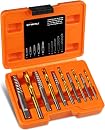 | Best Overall WYBENZ Screw Extractor & Left Hand Drill Bits SetEditor's Choice  Check Price | Check Price |
 | Best Budget Buy THOSAF Screw Extractor SetCheck Price | Check Price |
 | Best for Tiny Screws Alden 4507P Grabit MicroCheck Price | Check Price |
 | Best No-Drill Option ENGINEER PZ-58 Nejisaurus RXCheck Price | Check Price |
 | Best All-in-One REBRA Screw Extractor & Left-Hand Drill Bit SetCheck Price | Check Price |
 | Best 2-in-1 Bit Alden 8430P Pro GrabitCheck Price | Check Price |
- I treat proud screw heads as a grabbing job first, because pliers can save the workpiece before a drill ever touches it.
- For one stalled household repair, a matched kit like WYBENZ keeps me from wasting time hunting bits and second guessing hole size.
- Tiny screws deserve a lighter touch, and Alden Grabit Micro is the kind of precise tool I reach for before the surrounding finish gets scarred.
- Piece count only helps when the sizes are ones you will use, so I would rather have clear coverage than a case full of oddball extras.
- If rust or snapped hardware is involved, I slow down and choose broader coverage over speed, because a rushed extractor break is a much bigger problem.
1. WYBENZ Screw Extractor & Left Hand Drill Bits Set
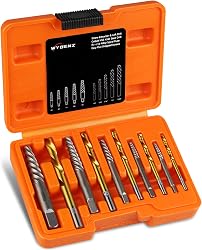
I have been the guy standing over a rounded screw head on a Saturday afternoon, drill in one hand, bad attitude in the other. That is the exact job this WYBENZ 14 piece set is built for. It gives a homeowner the two pieces that matter most for a stripped screw or snapped bolt: a left hand drill bit to open the damaged fastener, then a matching extractor to bite and back it out.
The part I like is the pairing. With some extractor kits, I spend half the time squinting at sizes and guessing which drill bit goes with which extractor. Here, the layout is simpler. Pick the extractor size that fits the damaged fastener, grab its companion bit, and move through the normal two step process without turning the bench into a parts puzzle. For an occasional DIYer, that matters. When a hinge screw strips, or a small automotive bolt rounds off, the faster I get into the right setup, the less likely I am to make the hole worse.
The drill bits use cobalt fortified HSS, and the extractors are made from 35# Cr Mo steel. The 135° tip geometry should help the bit start cleaner, especially if I take a center punch to the fastener first and use cutting oil. I would run these slow, with steady pressure, and let the left hand bit do its thing. Sometimes that reverse drilling alone loosens the screw before the extractor even gets involved. That is a good day in the garage.
Compared with the REBRA 26 piece set, WYBENZ feels less ambitious but easier to live with. REBRA covers more ground with a bigger spread, which is handy if you deal with odd sizes often. For the person who strips a screw once or twice a year, I think WYBENZ’s matched approach is less fussy and more friendly.
The weak spot is longevity. I would not treat this like a pro shop kit for frozen suspension hardware. Bits and extractors can fail if pushed too hard, and the case could hold pieces more securely. Still, as a budget backup for the junk drawer or garage cabinet, it makes sense. If saving even more matters and you already own decent drill bits, the next pick goes leaner.
- Simple paired sizing system
- Left hand bits included
- Good budget backup kit
- Extra small size spares
- Inconsistent bit durability
- Case can spill pieces
2. THOSAF Screw Extractor Set

If I needed an extractor today, planned to use it once, and did not want to spend much, this THOSAF set is the kind of kit I would toss in the cart. The value is the whole pitch. You get six extractors, coverage for screws and bolts around 3 to 12 mm, a compact case, and an extra number 2 bit, which is the size I seem to reach for most around the house.
The catch is the prep work. The extractor side may bite, but the drilling side is the weak link. On a chewed up cabinet hinge screw or a rusty deck fastener, I would start with a better separate drill bit to make a clean centered hole, then switch to the THOSAF extractor and run the drill slowly in reverse. Speed is not your friend here. Neither is leaning on the drill like you are trying to win a carnival game.
Compared with the WYBENZ kit, this one costs less up front, but WYBENZ includes matched drill bits, which removes some guesswork. With THOSAF, the total effort can be higher if your own drill bits are dull or missing the right size.
My verdict is simple. For occasional stripped screws, it is a sensible budget pick. For tiny fasteners or delicate work, I would want more precision.
- Very low entry cost
- Covers common screw sizes
- Extra number 2 bit
- Drilling side struggles
3. Alden 4507P Grabit Micro

The best part of the Alden 4507P Grabit Micro is the way the bit stays put. On tiny stripped screws, wandering is how you turn a repair into a crime scene. This one is built to start its own bite in the damaged head, then flip around and back the screw out with the extractor end, all using a reversible variable speed drill.
I like it most for delicate jobs where the screw is the cheap part and everything around it is expensive. Think electronics housings, firearm parts, pocket knives, RC cars, eyeglass repairs, or a small appliance with a chewed up Phillips head buried in plastic. I would run it slow, keep the drill straight, and support the workpiece so the bit is not doing side load duty. If the smallest bit starts flexing, stop. Tiny extractors are not pry bars, even when the package makes the job sound simple.
Compared with the standard Alden Pro Grabit, this Micro kit is the one I would grab for the small stuff. Same general Alden idea, drill side and extractor side in one tool, but scaled for smaller fasteners. The Pro Grabit belongs with more common household screws and larger damaged heads. This Micro version earns its keep when the screw is around the 3mm neighborhood and a normal extractor would chew up half the part before it got a grip.
My only hesitation is the smallest bit. The data points to some breakage on soft metal screws, so I would not attack those with heavy pressure or a cordless drill set like I am driving deck screws. Used with patience, this is a tidy little problem solver. For exposed screw heads, though, I still check if gripping the outside is faster before I put a drill anywhere near the work.
- Excellent small screw control
- Drills and extracts together
- Good for delicate repairs
- Smallest bit can break
4. ENGINEER PZ-58 Nejisaurus RX

I do not always want to drill into a ruined screw. Sometimes the smarter move is to quit attacking the center and grab the outside like you mean it. That is where the ENGINEER PZ 58 makes sense. It treats a stripped Phillips head less like a drilling problem and more like a grip problem.
Picture a chewed up screw on a washer panel, a bike accessory clamp, or a little appliance cover where the head is still proud of the surface. I set the jaws over the head, squeeze hard, and turn slow. The tooth pattern bites from more than one direction, so it has a much better chance of holding than regular pliers. The narrow nose helps in cramped spots, which matters because stripped screws love hiding next to housings, brackets, and other knuckle scraping nonsense.
Compared with the ALDEN Grabit Micro, this is faster when the screw head is exposed. No drill, no bit change, no pilot hole, no metal shavings. It also lowers the chance of making the recess worse or wandering off into the surrounding finish. The Grabit Micro has the advantage on tiny precision fasteners where drilling into the screw is the only path left, especially when there is nothing for pliers to catch. The PZ 58 is limited to heads in the 3 to 9.5 mm range, and it is not the tool I would force onto hardened fasteners or big bolts.
I like this as a first strike tool. If I can grab the head, I try these before reaching for an extractor bit. Just bring a firm hand for rusted screws. Once the head is gone or snapped level with the surface, pliers stop being clever and it is time for a more aggressive spiral style extractor.
- No drilling required
- Excellent exposed head grip
- Good for tight spaces
- Spring assisted handles
- Needs grabbable screw head
- Limited fastener size range
5. REBRA Screw Extractor & Left-Hand Drill Bit Set

This REBRA set is the big tackle box approach to extraction. You get nut removers, screw extractors, and left hand drill bits, which makes sense if your weekends include old brake hardware, rounded mower bolts, and the occasional lug nut that has seen too many impact sockets. I like the spread for mixed SAE and metric jobs because garage work rarely sticks to one system.
The tradeoff is bit confidence. The drill bit shanks are round, so I would tighten the chuck carefully and keep speed down, especially when starting a pilot hole in a damaged fastener. A slipping bit is not just annoying. It can wallow out the center and make the extractor work harder. I would also keep a couple spare drill bits nearby if the bolt looks heat treated, crusty, or buried in rust. This kit gives you range, not premium individual pieces.
Compared with the 14 piece WYBENZ set, REBRA wins on coverage. It is better suited to a home mechanic who needs to jump from a small stripped screw to a rounded bolt head without hunting for another kit. The WYBENZ setup feels more focused and reliable for paired drilling and extracting, while this one leans into versatility. Bigger number, more options, more things to manage.
My verdict: this is a solid mid range backup kit for automotive chaos, especially if you value having the right size close by. If you want fewer pieces and less guessing, Alden’s full size Grabit goes in a much simpler direction.
- Broad automotive size coverage
- SAE and metric options
- Includes left hand bits
- Useful for rounded nuts
- Round shanks can slip
- Bit strength feels questionable
6. Alden 8430P Pro Grabit

What I like about the Alden 8430P Pro Grabit is how little thinking it asks for when a screw head is chewed up and your patience is already gone. I chuck it in a drill, use one end to make a clean starting bite, flip it around, then back the screw out. For cabinet hinges, drywall screws, deck hardware, or a small fastener in light metal, that workflow is about as quick as extractors get.
The self locating tip matters more than it sounds. On a stripped Phillips in soft wood, wandering is how you turn a repair into a crater. Go slow, keep the drill straight, and let the bit cut instead of leaning on it like you are tightening lug nuts.
Its weak spot is range and brute force. This is only a three piece set, so the WYBENZ 14 piece kit covers more odd sizes and gives you matched drilling options. The Grabit Micro is better for tiny fasteners. The Pro Grabit wins on speed because it skips the center punch, separate pilot bit, and extractor shuffle. It is not my pick for a headless screw or a rust welded bolt. For normal stripped screws, it earns its keep fast. If your toolbox needs one low fuss extractor for weekend repairs, this is the one I would reach for first.
- Fast flip extraction
- Self locating drill tip
- Limited size coverage
- Not for seized fasteners
How to Pick the Right Screw Extractor for the Job
Extractor Type: Spiral Flute vs. Plier Style vs. Two in One
Most screw extractors fall into three camps. Spiral flute extractors bite into a drilled pilot hole, plier style extractors grab the damaged head from the outside, and two in one tools drill with one end and extract with the other. I pick the style based on access first, then on how badly the screw head is mangled.
Spiral flute extractors are the old shop standby for broken bolts, stripped socket screws, and fasteners snapped below the surface. They need a centered pilot hole, so setup matters. Plier style tools, like the ENGINEER PZ 58 Nejisaurus RX, are faster when the screw head sits proud of the surface. No drill. No pilot hole. Just grab, squeeze, and turn.
Two in one extractors, like the Alden 8430P Pro Grabit and ALDEN 4507P Grabit Micro, need the least tool swapping. One end bores into the damaged fastener, then you flip the bit and back the screw out. I like these for cabinet hinges, license plate screws, small machine screws, and jobs where I do not want to set up a separate drill bit and extractor.
Material Hardness and Durability
Extractor steel matters because the tool is doing ugly work. High speed steel, often marked HSS, is common and works well for normal screws. Better kits may use M2 HSS, cobalt blended steel, or chromium molybdenum alloys for more heat resistance and toughness. The ALDEN 4507P Grabit Micro, for example, uses double tempered M2 HSS, which is the sort of detail I like seeing on small precision extractors.
Hardness is often listed as an HRC number, which comes from the Rockwell C scale. Higher is harder, but harder is not always tougher. A brittle extractor can chip or snap if you lean on it sideways. If an extractor breaks off inside the fastener, you have turned a stripped screw into a hardened steel plug that ordinary drill bits will hate.
For weekend work, I look for a set that clearly states the steel grade or hardness instead of hiding behind vague claims. Cheap mystery metal can work once. Maybe twice. Then the edges round over right when the bolt starts to move, which is the exact moment you needed it to bite.
Size Range and Fastener Compatibility
Match the extractor to the screw or bolt diameter, not to your optimism. A tiny extractor will twist off in a big rusted bolt. A big extractor will chew up a small screw before it ever grips. Most kits print a recommended screw range on the case or in the chart, and I read that before I put anything in the drill.
A set covering 3 to 12 mm fasteners is useful for furniture, small engine covers, deck hardware, and automotive odds and ends. It will not save you from a tiny electronics screw buried in a laptop shell. For that, a micro set like the ALDEN 4507P Grabit Micro makes more sense. At the other end of the scale, once the fastener is a seized bolt rather than a screw, the tooling changes shape entirely — I covered that in my bolt extractor roundup.
- For eyeglasses, electronics, and small hinges, look for micro extractors.
- For household screws and cabinet hardware, choose a compact mixed set.
- For automotive bolts, mower parts, and rusted hardware, check that the kit reaches larger diameters.
Left Hand Drill Bits: Included or Not?
Left hand drill bits spin counterclockwise, the same direction you use to remove most screws. While they drill the pilot hole, they can sometimes catch the damaged fastener and walk it right out. That feels like cheating, and I accept that kind of help every time.
A kit that bundles matching left hand bits saves guessing. The WYBENZ 14Pcs Screw Extractor and Left Hand Drill Bits Set pairs each extractor with a correctly sized bit, which keeps the pilot hole from being too small to grab or too large to hold. The REBRA 26 Piece Screw Extractor and Left Hand Drill Bit Set follows the same useful idea while adding more fastener coverage.
If the kit does not include left hand drill bits, buy the correct sizes before the job starts. I have tried substituting random standard bits from the coffee can. It works until it does not, and then you are drilling crooked into a screw you already damaged.
Drill Compatibility and Technique Requirements
Most screw extractors need a variable speed reversible drill. Slow speed matters. High speed overheats the bit, hardens the fastener surface, and makes the extractor skate. I start slow, keep the drill straight, and use steady pressure instead of trying to bully the tool into the hole. A blunt left-hand bit skates before it ever bites, so keep them true with a drill bit sharpener if the set sees regular use.
Shank style affects how securely the drill holds the bit. Round shanks fit most chucks, but they can slip if the chuck is worn or under tightened. Hex shanks lock into quick change holders and resist slipping, which is handy when you are switching between drilling and extracting.
Beginners should favor self centering extractors or two in one designs because a crooked pilot hole ruins the grip before extraction even begins. If the screw head is domed, polished, or badly off center, I tap a small starter mark with a punch when the tool design allows it. That one extra step keeps the bit from wandering across the workpiece.
Kit Completeness and Storage
A good case is not decoration. Extractors have cutting edges, and loose bits banging around in a drawer get dull, chipped, or lost. I want each size labeled, seated firmly, and easy to compare against the screw in front of me.
Kit completeness also means having the repeat sizes you will use most. Small extractors take more abuse because small screws strip often and there is less metal to bite. The WYBENZ set includes duplicate small size spares, which is a practical touch if you handle household hardware, appliance screws, or small brackets.
- Look for labeled slots for every extractor and drill bit.
- Check that the size chart is printed on the case or included inside it.
- Value spare small extractors more than odd sizes you may never touch.
Before buying, open the size chart and confirm the kit matches the fasteners you remove most often. The best extractor is not the biggest set. It is the one that fits the stuck screw sitting in front of you on Saturday afternoon.
Which Screw Extractor Should You Get? Quick Recommendations
For a stripped screw that is stopping the whole project
If one ugly screw is holding up your Saturday, get the WYBENZ Screw Extractor & Left Hand Drill Bits Set. Each extractor pairs with its own bit, so you skip the sizing guesswork, and it is a sensible buy if you only need it once in a while.
For tiny screws on laptops, eyeglasses, or gun sights
For small, fussy screws where one slip can ruin the job, I would use the Alden 4507P Grabit Micro. It starts its own bite in the damaged head and works down around the 3mm range without chewing up the material next to it.
For anyone who hates drilling into screws
If you would rather grab the screw and twist, go with the ENGINEER PZ-58 Nejisaurus RX. No pilot hole, no drill setup, no metal shavings. When the head is still proud of the surface, the multi direction teeth often solve the problem in seconds.
For rusty bolts on cars, mowers, and outdoor equipment
For backyard mechanic work, I would pick the REBRA Screw Extractor & Left-Hand Drill Bit Set. The mix of SAE and metric sizes, plus the nut removers, gives you a better shot at matching whatever corroded fastener crawls out from under the machine. Once it is out, the thread it left behind usually needs chasing before anything goes back in — that is a job for a tap and die set.
For the simplest setup with one drill
If you own one drill and want the least fussy option, buy the Alden 8430P Pro Grabit. Flip it from drill end to extractor end in the same chuck, then get back to work.
For the absolute lowest spend
If you just need a basic extractor for light home use, the THOSAF Screw Extractor Set is the bare bones pick. Bring your own drill bit for the pilot hole, take your time, and it will handle plenty of casual repair jobs.